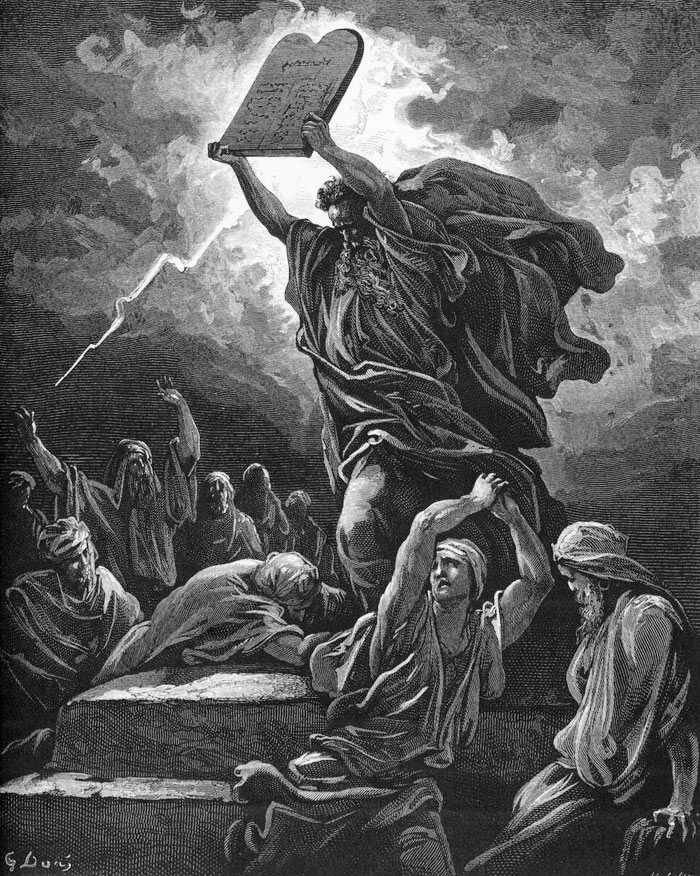
Wednesday, March 5, 2014

A Nauseating Video

A siyyum - the celebration of the conclusion of a major Jewish work - be it a Mesechet (tractate) of Gemara, or a Seder (order) of Mishnah or even a book of the Tanach - is a momentous occasions. Finishing these extended works takes a great amount of time, effort and energy, and provide great reason for celebration. In fact, the Sages provided a traditional text that we recite at every siyyum. As part of that text we say:
מוֹדִים אֲנַחְנוּ לְּפָנֶיךָ ה' אלוקינו ואלוקי אֲבוֹתֵינוּ שֶׁשַּׂמְתָּ חֶלְקֵנוּ מִיּוֹשְׁבֵי בֵּית הַמִּדְרָשׁ, וְלֹא שַׂמְתָּ חֶלְקֵנוּ מִיּוֹשְׁבֵי קְרָנוֹת. שֶׁאָנוּ מַשְׁכִּימִים וְהֵם מַשְׁכִּימִים אָנוּ מַשְׁכִּימִים לְדִבְרֵי תּוֹרָה וְהֵם מַשְׁכִּימִים לִדְבָרִים בְּטֵלִים. אָנוּ עֲמֵלִים וְהֵם עֲמֵלִים. אָנו עֲמֵלִים וּמְקַבְּלִים שָׂכָר וְהֵם עֲמֵלִים וְאֵינָם מְקַבְּלִים שָׂכָר. אָנוּ רָצִים וְהֵם רָצִים. אָנוּ רָצִים לְחַיֵּי הָעוֹלָם הַבָּא, וְהֵם רָצִים לִבְאֵר שַׁחַת
We are thankful before you God, our God and the God of our forefathers, that you placed our portion among those who sit in the study hall, and did not place our portion among those that sit on the corners. That we rise and they rise. We rise for words of Torah, and they rise for useless things. We toil and they toil. We toil and receive reward, and they toil and do not receive reward. We run and they run. We run to the World to Come, and they run to the bottomless pit [of hell]...

In the text, we never really spell out who "they" are. We give thanks that we are among the portions of those who understand and appreciate the value and holiness of Torah study. But the identity of "them" - who toil worthlessly, is left to our imagination.
Until now, that is.


I didn't go to the "Million Man" Asifah (gathering) - and it wasn't a million, but who's counting? And even though they claimed that it wouldn't be a political gathering but rather simply a mass, public prayer, the gathering itself carried clear political overtones. Thankfully, it went off without a hitch. People went, prayed, and returned to their homes safely.
I've tried to keep away from the press surrounding the event. It really upsets me, and what's the point of reading things that upset you? Then someone shared with me what they're calling the "official" video from the "Asifah", put to a pseudo-rocky chassidish tune with words taken from the text we recite at a Siyyum.
Who are the "we" who sit in the Beit Midrash? The holy "we" are yeshiva bachurim, kollel students, rabbis and basically anyone at the gathering, who took time from their yeshiva schedules to leave the Beit Midrash and gather at the mass rally for yeshiva students.
And who are the "they" who do "wasteful things and are "sitting on street corners"?
"They" are the soldiers of Nachal Chariedi.


"They" are random soldiers who happened to walk through the gathering and were caught on camera.


"They" were the policemen assigned to protect the very safety of the hundreds of thousands of people who gathered at the entrance to Jerusalem!


"They" are Yair Lapid (of course).
And "they" are also Prime Minister Netanyahu, speaking to the United Nations about the threat of a nuclear Iran.


I am very rarely at a loss for words (if you know me personally, you know just how true that statement is), but I am at a loss for words.
Is there no sense of decency? Is there no appreciation at all for the sacrifice of the young men and women in the IDF and the police personnel manning their rally? You may be angry at that Prime Minister of Israel, but do you really think that he's wasting his time dealing with the Iranian nuclear threat? Most disturbingly, these are Torah values? This is what you learn when you spend your days studying Torah??
Moreover, I don't buy the argument that this video was produced by one crazy individual or a single group. It was published by a major Chareidi website. If the video doesn't reflect the values of the larger group, why would the site publish it? Wouldn't their be an outcry from the Chareidi camp? Sadly, I have yet to hear such voices.

Sometimes the obvious must be stated clearly and emphatically: No, these are not Torah values. It is a reprehensible display of hypocrisy, cynicism and selfishness to identify those who defend you, your country, your safety and your interests as people who waste their time away on the street corners.
The producers of this video can't see any of this. They can spend hours cutting and pasting and creating this video, uploading to the Internet (which is supposedly forbidden), to take a nasty swipe at anyone they dislike or with whom they disagree.
Of course I value Torah study. It is an exalted enterprise that I engage in daily; support and encourage. I spent years of my life studying Torah full time. But defending our Homeland is also  a Mitzvah - a critical one at that - and is precisely what made the Chareidi renaissance possible in the first place.
The failure of the Chareidi community to see this fact only highlights the great chasm that they have created between themselves and the rest of Israeli society and the Jewish community at large. Perhaps they do this by design - to create a sense of enmity that will distance themselves from greater Israel. I can only hope so.
How should we respond? In two ways: First and foremost, we must continue to forcefully advocate the religious significance of serving others and serving our country, and the fact that we must give thanks to God for living in this incredible time when the Jewish people proudly and forcefully defend and protect ourselves.
But there must be a negative statement as well. It's now two weeks before Purim, a time when bochurim from yeshivot will begin knocking on my (and your) door. When they do, I will ask them a simple question: Were you at the "asifah"? If the answer is yes, then I have no intention, incentive or desire to give them any donation at all. Maybe, if enough of us stop giving, that will get someone's attention.

Unraveling the Puzzle of Megillat Esther

Megillat Esther is a brilliant work.

On the one hand, it masterfully and suspensefully relates the Purim story - a story we all know. Yet, like all great books, each re-reading offers a new and unexpected pleasure. I still get a kick out of how the Megillah refers to "all the people who loved [Haman], and Zeresh, his wife." (5,10)

But, as we know, the Megillah is much more than that. Woven into the fabric of the work - hidden beneath the surface - like Esther's Jewish identity, is a core of religious identity and belief essential to our identity as Jews.

Therein lay the brilliance of Mordechai and Esther: On one hand, they wrote an entirely secular story which they spread across the known world. But, read with the proper perspective, that very same work represents a core religious Jewish text.


I'd like to give one, very simple example of how Chazal read the book of Esther.

A very famous gemara in Shabbat (88a) relates that the Revelation on Har Sinai was a bit more dangerous than we might have considered:

ויתיצבו בתחתית ההר (שמות, י"ט, יז). אמר רב אבדימי בר חמא בר חסא: מלמד שכפה הקדוש ברוך הוא עליהם את ההר כגיגית, ואמר להם: אם אתם מקבלים התורה - מוטב, ואם לאו - שם תהא קבורתכם
אמר רב אחא בר יעקב: מכאן מודעא רבה לאורייתא
אמר רבא: אף על פי כן, הדור קבלוה בימי אחשורוש; דכתיב (אסתר, ט', כז) "קיימו וקבלו היהודים" - קיימו מה שקיבלו כבר
"And they stood at the foot of the mountain" (Shemot 19,17) Said Rav Avdimi bar Chama bar Chasa: This [verse] teaches us that God held the mountain over them like a barrel and said to them, 'If you accept the Torah - very well; But if not - here is where you will be buried!"

Said Rav Acha bar Yaakov: From this [statement] there is a great criticism against the Torah (Rashi - because the Jewish people were forced to accept the Torah).

Said Rava: Nonetheless, they later accepted [the Torah] during the times of Achashveirosh, as it is written, "The Jews fullfilled and accepted" - [this means that] they fulfilled what they had already accepted.

This short piece of Aggadah is rich with meaning, and raises many important questions. Yet, I'd like to focus on the final statement of Rava who derives the fact that the Jews willingly accepted the Torah during the times of Mordechai and Esther from the words קימו וקבלו היהודים - "the Jews fulfilled and accepted."

How does Rava arrive at his conclusion? Where does he see this deeper meaning hidden in the text? The answer is, in fact, right before our eyes, if we know how to properly piece the puzzle together.


In the text of the Megillah, the verse cited seems to have nothing to do with the Torah at all, but instead seems to be about the acceptance of Purim.

;קִיְּמוּ וקבל (וְקִבְּלוּ) הַיְּהוּדִים עֲלֵיהֶם וְעַל-זַרְעָם וְעַל
כָּל-הַנִּלְוִים עֲלֵיהֶם, וְלֹא יַעֲבוֹר--לִהְיוֹת עֹשִׂים אֵת שְׁנֵי
הַיָּמִים הָאֵלֶּה, כִּכְתָבָם וְכִזְמַנָּם:  בְּכָל-שָׁנָה, וְשָׁנָה.
The Jews fulfilled, and took upon them, and upon their descendants, and upon all
such as joined themselves unto them, so as it should not fail, that
they would keep these two days according to the writing thereof, and
according to the appointed time thereof, every year; 

Yet, when we consider the verse (and the phrase at hand) one of the words seems unnecessary and unusual. Why does the verse say that קימו וקבלו - "they fulfilled and took upon themselves" when it could have simply said, קבלו היהודים עליהם ועל זרעם - "the Jews accepted upon themselves and upon their descendants". What is the extra word telling us? How can one fulfill something before he even accepts it?

Yet, this very paradox reminds us of another, similar phrase found in the Torah:

 וַיִּקַּח סֵפֶר הַבְּרִית וַיִּקְרָא בְּאָזְנֵי הָעָם וַיֹּאמְרוּ כֹּל אֲשֶׁר דִּבֶּר ד' נַעֲשֶׂה וְנִשְׁמָע
And [Moshe] took the Book of the Covenant and read it in the ears of the nation, and they said, 'Everything that God said we will do and we will hear."

It's precisely the same progression:


קיימו -- קבלו
נעשה  -- נשמע

This, I believe, is exactly what the authors of the Megillah were hinting to at the conclusion of the Purim story.

The Jews living at that time didn't just commit themselves to keeping the holiday of Purim in the future. Rather, what precipitated the tragedy of Purim was the wholesale abandonment of the Torah after the exile from Jerusalem. The tragedy of Purim forced the Jews to make a choice: do we want to just die like Jews, or do we want to live like Jews as well.
קיימו וקבלו היהודים.

They rechose, yet again, after the events of Achashveirosh. If we're going to suffer the hatred against the Jews, ought we not live by the values that God gave us as well?
Yet another piece to the Purim puzzle.

Monday, March 3, 2014

Let it Go - and the Challenge of Modesty

Last night, the song "Let it Go" from the Disney movie "Frozen" won the Oscar for Best Original Song. I haven't seen the movie, but it has grossed over a billion dollars during the course of its Disney marketing bonanza. Moreover, the song has also gathered over a hundred million views on YouTube.
On last week's Slate Culture Gabfest, the hosts discussed the movie and song, and a specific ten second clip during which the protagonist, who is a kind of ice princess, decides that she needs to do what's right for herself, and "Let it Go" - stop acting out of concern only for the people around her. That's why, during the song, she builds herself an ice castle (or something like that...) Yet, towards the end of song, she undergoes a different type of transformation - one from a modestly dressed maiden to a slinky, Beyonce-type fashionista (who sashays sexily).

The feminist voices on the podcast loved the movie, but felt that the transformation was entirely against the movie's ethic. Why, if she really is doing what she wants, does she suddenly transform herself into Hollywood's idea of a diva?
I wonder about something else? How does this transformation affect the image of young girls and what they expect of themselves? This isn't a new issue, of course, but clearly the "before" wasn't nearly good enough.
When our daughters dress themselves up this Purim, which costume will they want to wear: the one on the left, or the one on the right?

Wednesday, February 26, 2014

A Shemittah Dilemma

Yesterday, I took part in the Rabbinical Council of America's mini-conference in Israel on behalf of Tzohar, and we spent much of the day touring the Shomron.
At the Tura Winery
Among the stops on the tour, we visited the Tura Winery in Recheilim, where we enjoyed a wine tasting and explanation. In recent years, I've grown to enjoy a fine wine now and then, and I found their Merlot excellent. (they will gladly ship to the United States for two dollars a bottle!) This is in no small part due to the fact that their vinyards sit at the top of Har Brachah (which we also visited later, and which also boasts an excellent winery) whose elevation and cool temperatures are apparently perfect for growing grapes essential to excellent wine. Let's just say that I didn't utilize the spittoon during the tasting, and left the winery in an excellent mood.
During the tasting, our guide explained the challenge she and her husband were facing as the Shemittah year approached.
Farmers have essentially four choices: Farm the land (violating halachah), leaving the land fallow entirely, utilizing heter mechirah (which thus permits the farmer to essentially farm and sell the product in the normal fashion), or use a system called Otzar Beit Din. It's beyond the purview of this post to explain the nuances of Otzar Beit Din, but essentially, under the system, the farmer joins a larger collective in which he essentially becomes the agent of the community to farm the land not for his personal use, but for communal use. Thus, he can farm the land and harvest it for everyone, but he can only sell it at the cost of producing it.  More importantly, the produce retains "kedushat She'viit" - the holiness of Shemittah, which carries a series of requirements, including that it cannot be discarded in the normal manner, wasted at all, and, most significantly, it cannot be exported outside of the Land of Israel.
Rabbis Enjoying the Wine Tasting
Currently, the Tura winery sells about thirty percent of the twenty-five thousand bottles it produces each year outside of Israel. More significantly, the owners feel that they have pretty much tapped out the Israeli market. In order to grow, they need to increase their exports, which they've been doing each and every year.
Except in the wine world, you can't just skip a year. Your buyers will find other suppliers, and other product to sell to their customers. And a business can't just overlook thirty percent of its income. They count on that business to make ends meet.
So, faced with this challenge, their posek, Rav Elyakim Levanon, instructed them to utilize heter mechirah. This would allow them to continue to produce and market the product normally.
Except they don't want to.
These are religious people. They've dedicated their lives to building the Holy Land. They literally, with sweat and tears, built their yishuv and winery, from the ground up. Utilizing heter mechirah means selling the Holy Land to a gentile - an act that counters their worldview and everything they stand for.
This isn't a dilemma with simple solutions.
Our tour guide, sharing her struggle, said that to her mind, the challenge was even harder because "Shemittah is supposed to make life easier for the farmer" - giving the land, and the farmer, a needed year of rest. "Except today, it only makes things harder."

Monday, February 17, 2014

Man Seder Sweeping the Nation Even More Than I Thought!

Last week, I shared this post about the Man's Seder, a mock seder for men geared towards helping men lead a better and more meaningful Seder. Last night, I got this email from a member of Congregation Beth Shalom of Potomac, Maryland:
Hi Rabbi Spolter.
I read with interest the listing of shule's that have created a "Mens Seder Night". I am proud to tell you that this will be the 4th year that Beth Sholom (Potomac, Maryland) has conducted our "Guys Night Out and Seder Summit". I have attached our flyer and recently created Press Release, announcing this year's event.
Our event is truly a community event as last year we attracted over 320 guys and are expecting 400 this year. We are especially proud of our community leadership that has already signed up including the CEO of our Federation, CEO of our JCC, Headmaster of our Day school (over 1500 kids) and Israeli Embassy officials. Last year we also welcomed 6 Rabbis.  
Please keep Beth Sholom, Potomac Maryland in mind, as you continue to publicize this great event, taking place all over the country.
Thank you.
He also sent me this flyer:
 ...as well as the following press release:
FOR IMMEDIATE RELEASE:
Rachel Winer
PR Consultant
winerrac@gmail.com
248-320-6632

Guys Night Out & Seder Summit: Ribs, Scotch, Learning and More!
Hosted by Beth Sholom Congregation in the Washington D.C. area

Potomac, Maryland: In the spirit of the NCAA Men’s Final Four and MLB Opening Day, Beth Sholom Congregation, the largest Modern Orthodox Synagogue in the Washington, D.C. area, proudly announces its fourth annual BBQ, Scotch and Seder Summit. The event will take place on Sunday evening, April 6th, from 6:00-9:30 PM. Over 400 attendees are expected from near and far, as this is the largest event known of its kind to get “the guys” ready for seder leading.

Who are some of the guys you may see at our event? The CEO of the JCC of Greater Washington, the President of the JCC of Greater Washington, the CEO of the local Jewish Federation, Head of Charles E. Smith Jewish Day School, leaders from the Israeli Embassy, AIPAC, the World Bank, Rabbis from other local synagogues, community members, friends, fathers, sons and grandsons coming to town from all over the east coast.

This unique "men’s outreach event" reaches across all spectrums of Judaism attracting orthodox, conservative, reform, and unaffiliated Jews. Attendees will also have the opportunity to enjoy Passover insights from Beth Sholom’s recently installed Senior Rabbi, Nissan Antine. Rabbi expresses as he looks forward to leading this event each year, “This is a great event and can surely be re-created in other local Jewish communities across this country.”

The evening features a man’s perfect menu: Kosher BBQ ribs, fries, oven baked “fried” chicken, scotch and Passover wine. The program will incorporate "speed learning," with a focus on sharing ancient traditions to help make one's Seder more meaningful for all participants. Men will take home pocket-sized materials with key lessons for them to incorporate into their own Seders. There will also be a chance to win raffle prizes, think whiskies and sports memorabilia!

The goal for this event is to raise funds to support Beth Sholom, community initiatives, all while providing a great venue for a great Jewish experience. Last year, the Washington Jewish Week stated, "I've been covering Jewish events for well over 30 years, and this was one of the most important, meaningful events I've ever experienced…this was one of the few places I had been where Orthodox, Reform, Conservative, unaffiliated, ...every type of Jew felt comfortable." 

Beth Sholom is one of the most active shuls providing financial support to families in need, during Passover. To find out more information about Beth Sholom, or to register for the event, go to: www.bethsholom.org or call 301-279-7010.

First of all, I love the name: "Seder Summit". Secondly, the shul is really utilizing the program in an exciting way - combining the power of an educational event, a fundraiser, and a force for unity in the community. You can even register and pay for the program online. Sounds incredible!

Rabbi Elazar Muskin
So, what about your shul? I never believed that I had to reinvent the wheel when it came to good shul programming. I was quite happy to "borrow" programs from colleages that I felt would benefit my community. Just recently, I proudly told Rabbi Elazar Muskin from the Young Israel of Century City that my Pre-Rosh Hashanah speaker series was completely and totally ripped off from him (which is fine, because he shared it with a large group of rabbis at a Young Israel conference).
So - rabbis, shul board members, lay-people: Here you go! You've got a great program idea (and even a press release) ready to go. Your members will be excited, your shul will make money, and their Seder night will be enriched.
The only question is, is the Man's Seder (or "Four Cups" or "Seder Summit") that will happen in your city going to be at your shul, or at the shul down the street?

Sunday, February 16, 2014

Bnei Akiva's New Recruitment Campaign

Happy Birthday Rav Shlomo
Last night, Rena and I traveled to Modiin to participate in a birthday party for a good friend, Rav Shlomo Sobol, the rav of Kehillat Shaarei Yona Menachem in Modiin, and also a founder of the Barkai Center for Rabbinic Training (based out of his shul). The shul was throwing the party (which is rather unique. I can't think of another shul that I know of that threw its rav a birthday party. It speaks to a really special relationship between a shul a its rav.), and they asked me to say a few words.
I mentioned to the community that we became close with the Sobol family over the four years that they spent in Metro Detroit, he as the Rosh Kollel of the Kollel Torah Mitzion. We ran programs, taught Torah, and spent many hours together, and today the Sobols are close friends. I also noted how the Kollel, following the Sobols' instructions, spoke about aliyah, and the importance of aliyah, at every turn. Pretty much every shiur was about aliyah and every conversation ended up leading in that direction as well. At some point I went to Rav Sobol and told him, "Stop talking about aliyah! Yes, it's important, but no one wants to hear it anymore, and they're starting to tune you out." The Kollel tuned the message down a bit, and things worked out fine.
Ironically, I guess, my family listened, as here we are.
I've been thinking about this issue especially in light of B'nei Akiva's recently unveiled campaign to recruit new Shlichim to represent and work for the organization around the world. I opened an Alon Shabbat and saw the following ad:


The caption: The plane is ready. Now it's your turn.
I don't question the great work that B'nei Akiva does, nor do I doubt their sincere desire to encourage aliyah. Yet, I wonder whether this ad campaign is all that realistic, or even true.
Sure, communities want B'nei Akiva representatives, and pay a great deal of money to bring them. Yet, they're not simply bringing representatives of Nefesh B'nefesh. They want these dedicated young people to teach their children a whole host of values, including devotion to Am Yisrael, the importance of the Jewish State, the religious value of serving the Jewish people, educational aspects of Religious Zionism - the list goes on and on. And, if exposure to these great role models inspires a young person to want to live in Israel - terrific.
But that doesn't seem to be the message of the ad. It's seems to encourage the notion that the shlichim are being sent to bring as many bodies as possible back on Aliyah.
I wonder how the communities in America feel about their shlichim being marketed in this manner.

Even more surprising is the other ad in the campaign:


Caption: There are Jews that this doesn't seem strange to...

To the best of my knowledge, most (if not all) B'nei Akiva shlichim in the United States are hosted by Orthodox communities. While these communities may not be chareidi, the vast majority of their members aren't putting up Christmas trees, last I checked. I wonder how many opportunities these shlichim will have to interact with families that are both lighting a Channukiah and also setting up a tree for Christmas?
I wonder what kind of expectations the new crop of recruits will have, when they land in Cleveland to discover that they're not going to save the world, nor will they successfully fill a plane of Olim who will jump to accompany them back on their return flight home. Rather, they're going to staff a Snif, create meaningful programs for children, teach Torat Eretz Yisrael, and hopefully instill a sense of Religious Zionism in the people they work with.
It seems that today, those laudable goals are no longer sufficient to attract good recruits. You have to make them believe that they really will save the world.
I just hope that next year's shlichim are not overly disappointed when they discover that reality isn't so exciting.

Friday, February 14, 2014

Audio Shiur: Parshat Ki Tisa - How Could Moshe Break the Luchot?

Audio Shiur:
Parshat Ki Tisa - How Could Moshe Break the Luchot?

Generally, we don't commend people for smashing things in anger. Why then do we seem to laud Moshe for smashing the luchot habrit?

Click here to navigate to the shiur on YUTorah.org.

Click to play the Shiur (or right-click to download)

Man's Seder Sweeping the Nation: Now in Chicago. Next Stop: Your City?

It started with a simple idea probably ten years ago. After my wife Rena returned home from a Federation-sponsored "Women's Seder" (complete with orange and obligatory readings), I wondered why they sponsor programs like that for women, but nothing for the men. After all, in many homes, the men lead the Seder. Shouldn't they spend some time preparing? Moreover, the Seder represents one of the most important family educational experiences throughout the Jewish year. Parents actually must sit with their children and talk (and read) about Jewish events. There had to be a program to get men ready for the Seder! Indeed, there was.
What gets men to come to anything? Torah? Sure. But what if you added steaks - really thick ones? (Remember that in Metro Detroit, good meat restaurants are pretty rare.) And what about beer? Men, like beer, right?
Turns out that they do. The idea percolated for a year, until I finally decided to inaugurate what has since become an annual event at YIOP: The Man's Seder. Here's the flyer from my last year.


The event actually garnered a fair amount of Press. We had a great article in the Detroit Free Press our first year, and more publicity in the following years. Here's a piece from the Detroit Jewish News in 2008 (click on it to enlarge):


The program has spawned imitators and emulators, which I'm actually quite proud of. For years now, my good friend Rabbi Barry Gelman of the United Orthodox Synagogue of Houston has been conducting a Man's Seder (you can find some more great pictures from their Facebook  page here). Aish Detroit copied it almost immediately after I left. It's been popping up across the country. And now the Man's Seder, moving into the big time, is making its way to Chicago.
Apparently, Rabbi Ari Sytner of YU's Center for the Jewish Future, shared the idea for the Man's Seder at a lay leadership seminar. The idea took hold, and this year Congregation Or Torah will conduct its first Man's Seder. Only they've rebranded it, and are calling it: Four Cups.

I love it. I love the upgraded graphics, and the Chicago tough-guy theme. I love the sponsorships (why didn't I think of that?) Most of all, I love the fact that a program I thought of is really helping spread Torah and excitement about Pesach.
So, if you live in Chicagoland, make your way to Or Torah for a great night of learning. And if you don't live in Chicago, share this blog post with your rabbi, ritual committee, education committe, Men's Club - whatever. Man's Seder is sweeping the nation. Don't miss it!

Friday, February 7, 2014

Audio Shiur: Parshat Tetzaveh - The Urim V'tumim

Audio Shiur:
Parshat Tetzaveh - The Urim V'tumim

What exactly was the Urim V'Tumim anyway? Could you really ask it the future? More importantly, if you had one, would you want to use it?

Click here to navigate to the shiur on YUTorah.org.

Click to play the Shiur (or right-click to download)

Thursday, February 6, 2014

Gila Dodelson and the Facebook Shtetl

Jewish life was always built around the concept of community. We live, by definition, in close proximity to one-another. We celebrate and mourn with each other. We do business with one-another. And, when necessary, we use that closeness to pressure those who we love to do the right thing.
At least that's the idea.
And, when the subtle, behind the scenes pressure doesn't work, halachah offers other, more stinging forms of pressure to coerce community members to stay in line, from the minor sanctions of a mi shepara, to the secondary step of a knas, all the way to the drastic sting of the cherem, which prohibits community members from engaging in any economic activity with the sanctioned individual.
There was a time that these measures were extremely effective. The tighter that the community was knit together, the more each individual person relied on the larger community, and was therefore subject to the forces of community pressure. This is how it should be, and in fact, how it was.
Until it wasn't.
The world got smaller.
Rather than being born, raised, and living in the same village for your entire life, people began to move around, living in different communities, cities, and even countries. How do you enforce social norms when a person can simply move to another town, or, for that matter, just daven at the shtiebel down the street? You can't, and the Jewish community witnessed the unraveling of its ability to pressure individuals on a communal scale.
Until now, that is.
With the advent of social media, the world has now shrunk to such a degree that the entire globe has been reduced to a single shtelt. The shtetl of Facebook.
Exhibit A: The tragic case of Gila Dodelson.
Way back in the "old days", A Beit Din would issue a siruv, and the husband would find himself ostracized - unable to get an aliyah, count for a minyan...he'd be maligned among the people he loved and needed to the point that it wouldn't make sense to withhold a get from his wife. It would have just been too painful.
Today that's no longer the case. The husband davens at a different shul. The wife moves to another city. Even if, somehow, the husband's community ostracizes him, he can easily find another community willing to take him in, see his side of the story, and welcome him with open arms.
Yet, the Dodelson story demonstrated that with enough pressure, and a Facebook page, the entire world can become that Shtetl. There's no community to run to which hasn't read about you, and seen your picture; where someone comes up to you during davening to tell you how much they revile what you're doing; where enough people know you, your parents, and your neighbors and friends. They can exert pressure on your parents' company, forcing them to take a leave of absence as you work out your issues.
Welcome to the Shtetl of Facebook.
It's a brave new world.