Showing posts with label Ki Tavo. Show all posts

Wednesday, September 6, 2017

Audio Shiur: Ein Ayah on Ki Tavo - Finding the Spiritual in the Physical

Audio Shiur:
Ein Ayah on Ki Tavo - Finding the Spiritual in the Physical

From the Mitzvah of Mikra Bikkurim we move to a powerful piece from Rav Kook about the purpose and meaning behind the recitation of Brachot

Click here to navigate to the shiur on YUTorah.org.

Click on the player below to play the Shiur or right click here to download)


Did you know that this shiur is available as a free podcast on iTunes? Click here to subscribe - and leave a comment and rating so more people will find the shiur! Thanks!

Wednesday, September 21, 2016

Audio Shiur: Parashat Ki Tavo - The Blessing of the Hidden

Audio Shiur:
Parashat Ki Tavo - The Blessing of the Hidden

There seems to be a great imbalance between the blessings of Ki Tavo (relatively few) and the curses (way more, and far more graphic). Why? By focusing on a nuance in the language as well as an insight in the Kli Yakkar, we suggest one possible answer.

Click here to navigate to the shiur on YUTorah.org.

Click on the player below to play the Shiur or right click here to download)


Did you know that this shiur is available as a free podcast on iTunes? Click here to subscribe - and leave a comment and rating so more people will find the shiur! Thanks!

Thursday, September 3, 2015

Audio Shiur: Parshat Ki Tavo - Mutual Responsibility vs Individual Rights

Audio Shiur:
Parshat Ki Tavo - Mutual Responsibility vs Individual Rights

Two themes play an important role not only in Ki Tavo, but also in the beginning of Nitzavim. On one hand, the Torah communicates the value of Areivut - mutual responsibility. At the same time, people have the ability to act in private. How do these two seemingly conflicting values coexist?

Click here to navigate to the shiur on YUTorah.org.

Click on the player below to play the Shiur or right click here to download)

Wednesday, September 10, 2014

Audio Shiur: Parshat Ki Tavo - Finding True Joy

Audio Shiur:
Parshat Ki Tavo - Finding True Joy

You might not expect simchah to be a primary theme found in Ki Tavo, the parashah of the Tochechah. But it is. How do we find joy, and why is it critical to a proper religious life?

Click here to navigate to the shiur on YUTorah.org.

Click to play the Shiur (or right-click to download)

Wednesday, August 21, 2013

Audio Shiur: Parshat Ki Tavo - The Qualities of a Nation

Audio Shiur:
Parshat Ki Tavo - The Qualities of a Nation

Chazal teach us that the allusions to war in this parshah and Parshat Shoftim allude to our never-ending battle with the yetzer hara. With this in mind, we glean a number of important lessons from the nuance of the text - and especially powerful lessons from Ohr Hachayim and Netivot (Nesivos) Shalom.


Click here to navigate to the shiur on YUTorah.org.

Click to play the Shiur (or right-click to download)

Wednesday, September 5, 2012

Audio Shiur: Parshat Ki Tavo - A Symbiotic Relationship with God

Audio Shiur:
Parshat Ki Tavo - A Symbiotic Relationship with God 

As Moshe winds down his final address to the nation before the Tochecha, his choice of words tells us a great deal about the relationship of God to the Jewish people (and visa versa), our obligation as parents raising our kids, and a critical message about Eretz Yisrael.

Click here to navigate to the shiur on YUTorah.org.

Click to play the Shiur (or right-click to download)


Now you can subscribe to this shiur as a podcast, directly from iTunes! To subscribe, click here.

Got an Android phone? Want to listen to the Parshah shiur on the go? Simply click here and let the phone do the work! You may also want to download a podcasting App like Podkicker.

Wednesday, September 14, 2011

Parshat Ki Tavo - Viduy Maaser - Our Money, Ourselves

Audio Shiur:
Parshat Ki Tavo - Viduy Maaser - Our Money, Ourselves

How we give our money to others says everything about who and what we are. The unique mitzvah of Viduy Ma'aser conveys critical messages about how the Torah wants us to relate to money, and to God.

Click here to download the shiur, or here to navigate to the shiur on YUTorah.org.


Now you can subscribe to this shiur as a podcast, directly from iTunes! To subscribe, click here.

Thursday, August 26, 2010

Audio Shiur: Parshat Ki Tavo - Modern Message of Mikra Bikkurim

Audio Shiur:
Parshat Ki Tavo - Modern Message of Mikra Bikkurim
Sometimes, words from the Chumash just jump out at you. You feel like they're speaking directly to you. I had that feeling this week when reading the first section of Ki Tavo about Mikra Bikkurim. Please be forewarned: this shiur is unabashedly Zionist. But then, so is the Torah.

Click here to download the shiur, or here to navigate to the shiur on YUTorah.org.

Wednesday, September 2, 2009

Audio Shiur: Parshat Ki Tavo - The Power of Fear

Audio Shiur:
Parshat Ki Tavo: The Power of Fear
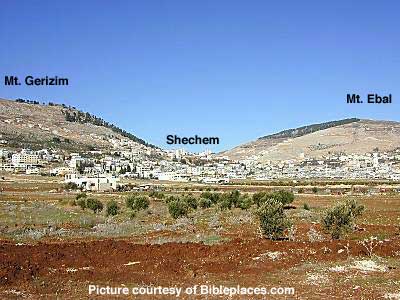
Looking towards the High Holidays with a sense of anticipation, it's clear that the dominant emotion of the Yamim Noraim - the "Days of Awe" - is fear. By examining a section of Parshat Ki Tavo about the blessings and curses on Har Gerizim and Har Eival, we discuss this phenomenon, how it relates to our own psyches, and how we raise our children.

Click here for the audio link, or listen in the handy audio player supplied below.

Sunday, August 30, 2009

Feeling the Pressure - Devar Torah for Ki Tavo

As American pressure on Israel to get serious about peace talks with the Palestinians continues, the Obama Administration continues to insist on a total freeze of construction in the West Bank. (We call it Yehudah V'shomron). Even as Israeli Prime Minister Netanyahu officially balks at the prospect of freezing all construction, that's exactly what he's done. Listen to Israeli Foreign Minister Avigdor Lieberman (from the AIPAC website).
Israeli Foreign Minister Avigdor Lieberman said Thursday that Israel had effectively frozen construction in West Bank settlements, The Jerusalem Post reported. Lieberman's comments substantiated earlier reports that the Israeli government had not issued a single tender for building in West Bank settlements, including large settlement blocs, since March.
So, while Netanyahu complains about the pressure for a settlement freeze, and declares that he cannot agree to such a freeze, he has in fact totally frozen any and all construction over the Green Line. No new apartments, no schools, no nurseries. Nothing. Our parshah has a word for this type of pressure.
Ki Tavo begins with with the ceremony of Bikkurim, presenting the declaration that every Jew would make as he presented his first fruits to the Kohen in the Beit Hamikdash. As part of the declaration that a Jew would make as he brought his bikkurim to the Beit Hamikdash he would say,
וַיִּשְׁמַע יְהוָה אֶת-קֹלֵנוּ, וַיַּרְא אֶת-עָנְיֵנוּ וְאֶת-עֲמָלֵנוּ וְאֶת-לַחֲצֵנוּ
and the LORD heard our voice, and saw our affliction, and our toil, and our oppression (Devarim 26:7)
What is the meaning of the term לחצנו - our oppression? In what way did the Egyptians "oppress" the Children of Israel? Clearly they oppressed us in numerous ways including enslavement, torture and murder. But which specific way do we allude to in this verse? The Midrash points us back to Shemot which also speaks about this very same לחץ. There God says to Moshe,
וְעַתָּה, הִנֵּה צַעֲקַת בְּנֵי-יִשְׂרָאֵל בָּאָה אֵלָי; וְגַם-רָאִיתִי, אֶת-הַלַּחַץ, אֲשֶׁר מִצְרַיִם, לֹחֲצִים אֹתָם
And now, behold, the cry of the children of Israel is come unto Me; moreover I have seen the oppression wherewith the Egyptians oppress them. (Shemot 3:9)
Again we wonder: what specific oppression does He refer to? Rabbeinu Chananel (in Shemot) offers the following explanation:
שנכנסו למצרים בשבעים נפש, והושיבם יוסף בארץ גושן ולא היתה הארץ מכילה אותם כי היתה הברכה בהם. והמצרים לא היו מניחים אותם להתרחב בארץ, אבל היו לוחצים ודוחקים אותם
When they entered Egypt with seventy souls, Joseph settled them in the Land of Goshen, but the land could not contain them for blessing was within them. Yet, the Egyptians would not permit them to spread out in the [Goshen], but instead pressured them and crushed them.
Communities grow. People, thank God, have babies. Kollel families looking for reasonably priced housing in either Beitar Illit or Kiryat Sefer are watching real estate prices slowly climb out of their price range, asdwindling supply of apartments in those Chareidi cities inevitably leads to rising prices. (That's right: when the meshulach knocks on your door asking for money for a poor kollel family in Israel that can't pay the rent, there's a good chance that some part of the reason they can't pay that rent is that Barack Obama has made it more expensive to rent an apartment in Israel precisely where those kollel families live.) Children, after finishing college and starting families of their own, often want to move back into the communities were they grew up and raise their children. Only right now they can't, because the government of Israel, under tremendous pressure from the United States, refuses to let anyone build so much as a tool shed in Yehuda or the Shomron.
That's לחץ - "pressure." And Barack Obama should remember that while the Jewish people suffer under לחץ in the short-term, he who applies that pressure never ends up better off in the end.

Wednesday, September 17, 2008

A Shopping Trip, Israel and Parshat Ki Tavo

Today Rena and I went shopping. Actually, we went to the bank to get a loan for our car, and truth be told, it was a pretty good experience. The bank gave us a great rate (plus a discount on the loan), and the service was terrific. We waited almost no time, and were dealt with promptly and efficiently. (I know what you're thinking. Yes, this is Israel. Go to Bank Leumi in Kiryat Malachi, and speak to Dani. He's the manager.) While we were signing over and over again, I asked the woman helping us who she got auto insurance with. Not only did she tell me the name and give me the number, she picked up the phone and called them for us. That's Israel. It's like a big family.
In any event, we had some extra time, so we went to get a cup of coffee. Now in the States, you can also get a cup of coffee, but because it was a kosher coffee shop, we were able to drink our coffee not in the cheap paper cups, but in the glass mugs. It was just a pleasant experience that I really was never able to have in the U.S., and I appreciated being able to have it in Israel.
Then we went to the grocery store, where it's impossible to forget that Rosh Hashanah is coming. You walk into the store and there's a big sign that says, "Shanah Tovah!" The honey display is quite large as well. I even got into a small discussion with a middle-aged man about the sugar-free items in the health aisle of the store.
Finally, on the way out Rena bought a pizza at the store next to the grocery store, and she ended up having a nice discussion with the "secular" guy making pizzas about Rosh Hashanah and Yom Kippur. Rena commented on the fact that she never looks forward to Yom Kippur, and that it's a hard day. He told her that he always likes the day, because he feels spiritually cleansed and rejuvinated afterwards.
While each of these little vignettes aren't that special, put together I came away from a simple shopping trip with a great sense of positive warmth. While in America all our efforts go into living a Jewish life - who we congregate with; what we eat; where we go, in Israel, that life surrounds us in so many ways big and small.

All of this caused me to pause at a specific phrase that grabbed my attention from this week's parhsha. Ki Tavo begins with the מקרא ביכורים, the special declaration that each person must make when he brings his first fruits to the Kohen in the Beit Hamidash. Yet, even before he presents the bikkurim to the Kohen, the Torah tells us that,

וּבָאתָ, אֶל-הַכֹּהֵן, אֲשֶׁר יִהְיֶה, בַּיָּמִים הָהֵם; וְאָמַרְתָּ אֵלָיו, הִגַּדְתִּי הַיּוֹם לַיהוָה אֱלֹהֶיךָ, כִּי-בָאתִי אֶל-הָאָרֶץ, אֲשֶׁר נִשְׁבַּע יְהוָה לַאֲבֹתֵינוּ לָתֶת לָנוּ.
And you shall come to the priest that shall be in those days, and say unto him: 'I profess this day unto the LORD your God, that I have come to the land which the LORD swore to our fathers to give us.'
The verse caught my eye because as I was reading it, I felt that I was reading about myself, and my family. כי באתי אל הארץ אשר נשבע ה' לאבותנו לתת לנו - I have come to the Land which God swore to give to our fathers. I truly have. It's exciting and chilling to personalize the words of Torah in such a meaningful way.
But the verse bothered me as well.
Rambam writes that this text is actually part of the ceremony of bringing the bikkurim. The farmer must put the basket of fruit on his shoulder and make this declaration to the Kohen. But this statement made me wonder: What does the farmer mean when he says, "that I have come to the Land which God swore to our fathers to give us"? Is that really true. Truth be told, he was probably born in Israel. He's lived there his whole life. He's never been anywhere else. Why then does he tell God and the Kohen that he has come to the land, when that in fact is untrue?
Kli Yakkar suggests that we cannot really call the Land our own until we have given of it to another. Only when we share the bounty of the land with others can we take ownership over the land that God has given us.
Which, I guess is really the point. The beauty of Israel is really the community; the fact that since everyone here is Jewish, we can, for the most part, eat together. We share holidays together. We wish each other a shanah tovah. We share our health issues with strangers, because we're not supposed to be strangers. And maybe that's when the Land truly becomes ours.
Tuesday, August 28, 2007

Table Talk - Ki Tavo 5767

When the Torah introduces the commandment of the recitation of the Bikkurim (first fruits), it seems to employ some repetitive language. The parshah begins, וְהָיָה, כִּי-תָבוֹא אֶל-הָאָרֶץ, אֲשֶׁר ה' אֱלֹקֶיךָ, נֹתֵן לְךָ נַחֲלָה; וִירִשְׁתָּהּ, וְיָשַׁבְתָּ בָּהּ – “And it shall be, when you come into the land which Hashem your God gives you for an inheritance, and you possess it, and dwell in it.” Rabbi Simcha Raz wonders about the double language of this first verse: If God gives it to us as an inheritance, then why of course it belongs to us. Why then must the Torah add that we must also “possess it, and dwell in it?”

Rabbi Raz suggests that we must acquire the Land of Israel in two ways. First and foremost, the Land of Israel belongs to us because God gave it to us; it is our eternal homeland. But, at the same time, the land becomes our only through our sweat and hard work. In Rabbi Raz’s words, “A man does not merit inheritance and dwelling in the Land unless he worked and acted and sacrificed for its settlement. It is not enough that God gave it to us. Rather, we must also ‘possess it and dwell in it.’”