Showing posts with label Parshat Hashavua. Show all posts

Thursday, November 24, 2016

Audio Shiur: Parshat Chayei Sarah - Having in All - the Meaning of "Kol" According to Ramban

Audio Shiur:
Parshat Chayei Sarah - Having in All - the Meaning of "Kol" According to Ramban

When the Torah teaches us that God blessed Avraham with "kol" - everything, commentators differ as to the meaning of the term. What does it mean to have it all? Ramban, on the other hand, takes the discussion in an entirely different direction, leading us into the realm of kabbalistic thought and terminology. Enjoy the ride!


Click here to navigate to the shiur on YUTorah.org.

Click on the player below to play the Shiur or right click here to download)


Did you know that this shiur is available as a free podcast on iTunes? Click here to subscribe - and leave a comment and rating so more people will find the shiur! Thanks!

Thursday, December 31, 2015

Audio Shiur: Parshat Shemot - Bringing Children into a World of Misery

Audio Shiur:
Parshat Shemot - Bringing Children into a World of Misery

Perhaps the most amazing aspect of the slavery in Egypt is the fact that Jews continued to have children over the decades of slavery. Why did they continue to reproduce? According to the Midrash, they almost didn't want to, and we almost did our job for Paroh. Along the way, we also discuss how Paroh thought that his plan to kill Jewish boys would work, when things don't really seem to add up.

Click here to navigate to the shiur on YUTorah.org.

Click on the player below to play the Shiur or right click here to download)


Did you know that this shiur is available as a free podcast on iTunes? Click here to subscribe - and leave a comment and rating so more people will find the shiur! Thanks!

Wednesday, December 16, 2015

Parshat Vayigash - the Wagons of Yosef

Audio Shiur:
Parshat Vayigash - the Wagons of Yosef

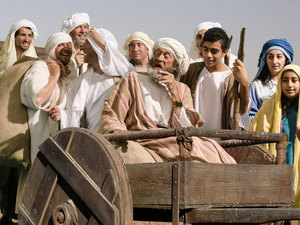
According to the Midrash, Yosef specifically sent wagons to pick up his father in Cana'an, but also to send him a secret message. What was the nature of that message? Did Yaakov get the message? Do we?

Click here to navigate to the shiur on YUTorah.org.

Click on the player below to play the Shiur or right click here to download)


Did you know that this shiur is available as a free podcast on iTunes? Click here to subscribe - and leave a comment and rating so more people will find the shiur! Thanks!

Wednesday, December 9, 2015

Parshat Miketz - Turning Dreams into Reality

Audio Shiur:
Parshat Miketz - Turning Dreams into Reality

When dealing with global tragedy and struggle, the world often attempts to address the crisis without addressing the underlying problem that generated the crisis. We all know about the famine in Egypt. Yet, have we ever wondered why there was a famine at all? Yosef did. And what he did to address that problem may surprise you. We also address a beautiful thought about Chunkah from the Maharal, talk about the problem in addressing the Agunah crisis, and finally offer my solution for the battle of the West vs. ISIS. All in less than an hour.

Click here to navigate to the shiur on YUTorah.org.

Click on the player below to play the Shiur or right click here to download)


Did you know that this shiur is available as a free podcast on iTunes? Click here to subscribe - and leave a comment and rating so more people will find the shiur! Thanks!

Wednesday, October 21, 2015

Audio Shiur: Parshat Lech Lecha - Does Prayer and Study Prevent Attacks? The Line Between Action and Faith

Audio Shiur:
Parshat Lech Lecha - Does Prayer and Study Prevent Attacks? The Line Between Action and Faith


The attached video, currently making the rounds of Facebook, features Rav Uri Sharki, a well-known Religious Zionist rabbi, essentially ridiculing the idea that prayer and Torah study are the appropriate response to the current wave of terrorist attacks plaguing Israel. Instead, he suggests learning how to fight properly, and the Israeli government imposing its will on those who would do us harm. Is Rav Sharki correct? What is the role of faith in difficult times? In the shiur, we look at two episodes where Avram chose action over faith, and how different commentaries interpret and criticize Avram's actions.

Click here to navigate to the shiur on YUTorah.org.

Click on the player below to play the Shiur or right click here to download)

Thursday, September 3, 2015

Audio Shiur: Parshat Ki Tavo - Mutual Responsibility vs Individual Rights

Audio Shiur:
Parshat Ki Tavo - Mutual Responsibility vs Individual Rights

Two themes play an important role not only in Ki Tavo, but also in the beginning of Nitzavim. On one hand, the Torah communicates the value of Areivut - mutual responsibility. At the same time, people have the ability to act in private. How do these two seemingly conflicting values coexist?

Click here to navigate to the shiur on YUTorah.org.

Click on the player below to play the Shiur or right click here to download)

Thursday, June 4, 2015

Audio Shiur: Parshat Beha'alotecha - Rabbis in the Fish Bowl

Audio Shiur:
Parshat Beha'alotecha - Rabbis in the Fish Bowl

Even after suffering insult from his own sister, Moshe Rabbeinu still has to worry about what people will say about him. Through a study of the reaction to Miriam's tzara'at, we discuss the limits of what communities should reveal, and what should remain private. Warning: Many of you will disagree with me.

Click here to navigate to the shiur on YUTorah.org.

Click on the player below to play the Shiur or right click here to download)

Friday, May 29, 2015

Parshat Naso: Birkat Kohanim

Audio Shiur:
Parshat Naso: Birkat Kohanim

What does Birkat Kohanim have to do with dreams?

Click here to navigate to the shiur on YUTorah.org.

Click on the player below to play the Shiur or right click here to download)

Saturday, March 14, 2015

Parshah Puzzler for Vayakhel-Pekudei


What word appears in Vayakhel-Pekudei, that also appears in Tanach as a person, place and thing (all three)?
Please don't post the answer in the comments. If you think you know, email me at rspolter at gmail.


Wednesday, February 11, 2015

Audio Shiur: Parshat Mishpatim - An Eye for an Eye?

Audio Shiur:
Parshat Beshalach - The God of War

Everyone knows that when the Torah says "An eye for an eye", Chazal reinterpret the verse to refer to monetary compensation. Yet, this only raises a larger question: If the Torah didn't want us to exact vengeance in this manner, why write it this way?

Click here to navigate to the shiur on YUTorah.org.

Click to play the Shiur (or right-click to download)

Wednesday, January 28, 2015

Audio Shiur: Parshat Beshalach - The God of War

Audio Shiur:
Parshat Beshalach - The God of War

In Az Yashir, the Jewish people characterize God as "Ish Milchamah" - literally translated as a "Man of War". Really? God is a warrior? God is a man? How do we reconcile this image with our understand of God as a God of peace and harmony? After looking carefully at the text, Midrashim and a number of commentaries, we study a section of Orot from Rav Kook that addresses this fundamental question in a surprising manner.

There is a source sheet for this shiur, which can be accessed here. Also, you can find Professor Chanah Kasher's article on this topic here.


Click here to navigate to the shiur on YUTorah.org.

Click to play the Shiur (or right-click to download)

Wednesday, August 27, 2014

Is Democracy Ideal? Thoughts for Parshat Shoftim

For many years - decades in fact, the United States actively promoted the idea of spreading democracy around the world, spending many millions of dollars on efforts to promote democracy, believing that this would lead to greater freedom, fewer regional conflicts, and greater global stability.
Sometimes, this did in fact work. Japan is now a stable, democratic country, after centuries of imperial rule. But, in more recent history, this effort has backfired, and even has served to bolster those who wish to do the United States harm.
As we've witnessed in recent years, giving people the right to choose their government does not guarantee that they'll choose a liberal government that guarantees rights and freedoms. In fact, when given the right to choose, citizens of Egypt chose the Muslim Brotherhood, while their cousins in Gaza chose Hamas - sister organizations dedicated to the promotion of radical Islam. In fact, rather than leading to "liberal democracies", free elections in Muslim countries have resulted in "illiberal democracies" whose governments then proudly promote their legitimacy, as they were indeed freely elected.
None of this should come as any surprise to those who study Chumash with Ha'amek Davar, the commentary of Netziv. While following the will of the people seems inherently sensible, Netziv, noting a seeming self-contradiction in the Torah points out an obvious truth: what's seems sensible, isn't always the best choice.
Moshe instructs the nation that when the enter into the Chosen Land, they must appoint a king to lead them:
כִּי-תָבֹא אֶל-הָאָרֶץ, אֲשֶׁר יְהוָה אֱלֹהֶיךָ נֹתֵן לָךְ, וִירִשְׁתָּהּ, וְיָשַׁבְתָּה בָּהּ; וְאָמַרְתָּ, אָשִׂימָה עָלַי מֶלֶךְ, כְּכָל-הַגּוֹיִם, אֲשֶׁר סְבִיבֹתָי. שׂוֹם תָּשִׂים עָלֶיךָ מֶלֶךְ, אֲשֶׁר יִבְחַר יְהוָה אֱלֹהֶיךָ בּוֹ: מִקֶּרֶב אַחֶיךָ, תָּשִׂים עָלֶיךָ מֶלֶךְ--לֹא תוּכַל לָתֵת עָלֶיךָ אִישׁ נָכְרִי, אֲשֶׁר לֹא-אָחִיךָ הוּא.
When thou art come unto the land which the LORD thy God giveth thee, and shalt possess it, and shalt dwell therein; and shalt say: 'I will set a king over me, like all the nations that are round about me'; thou shalt in any wise set him king over thee, whom the LORD thy God shall choose; one from among thy brethren shalt thou set king over thee; thou mayest not put a foreigner over thee, who is not thy brother. (Devarim 17:15-16)
Netziv notes that rather than just instructing the people to appoint a king, that appointment can only come should the nation desire a king - when the people say, "I will set a king over me." It seems that the Torah only commands the nation to appoint a king when they look at the nations around them, and wish to have a similar form of leadership. Yet, this condition seems to contradict the apparent commandment to appoint a king. In fact, Chazal do indeed interpret these verses as a commandment - a mitzvah - to appoint a king. So, must we appoint a king or not? Is it a mitzvah or not? According to Netziv, it depends. He writes:
ונראה דמשום דהנהגת המדינה משתנית אם מתנהגת ע"פ דעת מלוכה או ע"פ דעת העם ונבחריהם. ויש מדינה שאינה יכולה לסבול דעת מלוכה ויש מדינה שבלא מלך הרי היא כספינה בלי קברניט, ודבר זה אי אפשר לעשות ע"פ הכרח מצות עשה, שהרי בענין השייך להנהגת הכלל נוגע לסכנת נפשות שדוחה מצות עשה. משום הכי אי אפשר לצוות בהחלט למנות מלך כל זמן שלא עלה בהסכמת העם לסבול עול מלך ע"פ שרואים מדינות אשר סביבותיהם מתנהגים בסדר יותר נכון או אז מצות עשה לסנהדרין למנות מלך.
It seems [that the verse is ambiguous] because the leadership of the State is varied - whether it be a leadership of monarchy, or a leadership based upon the will of the people and their chosen [leaders]. There may be a state that cannot suffer monarchy, while another state without a king is like a boat without a captain. This matter cannot be enforced through a positive commandment, for matters related to the public can be issues of life and death, and would therefore supersede a positive commandment. For this reason, it is impossible to issue an absolute command to appoint a king, as long as the public has not agreed to suffer the yoke of a king, having seen the countries surrounding them functioning with greater order [due to their king]. Only then is it a positive commandment for the Sanhedrin to appoint a king.

Some nations - at some times - cannot suffer a monarchy, while others (or even that same country, in a different era), would literally disintegrate without the firm guidance of a powerful leader. It interesting to note that the Obama Administration seems to have come to this very conclusion (a bit late, in my opinion), drastically cutting funding to promote democracy in the Middle East.
Look what happened to Egypt (and Tunisia and Gaza - and probably Syria as well): While democracy sounds good, it seems clear in retrospect that only the firm grip of a powerful leader kept those countries from destroying themselves, and those around them.
Is Democracy the best choice? It can be. But, Netziv reminds us that it's only a good choice of government when the nations themselves are ready for it.


Tuesday, August 26, 2014

Audio Shiur: Parshat Shoftim - Is Democracy a Jewish Value

Audio Shiur:
Parshat Shoftim - Is Democracy a Jewish Value

The modern State of Israel chose a democratically elected form of government. Had the founders of the State followed the Torah, would they have made this choice? The answer, based on a section in Parshat Shoftim, might surprise you.

Click here to navigate to the shiur on YUTorah.org.

Click to play the Shiur (or right-click to download)

Wednesday, August 21, 2013

Audio Shiur: Parshat Ki Tavo - The Qualities of a Nation

Audio Shiur:
Parshat Ki Tavo - The Qualities of a Nation

Chazal teach us that the allusions to war in this parshah and Parshat Shoftim allude to our never-ending battle with the yetzer hara. With this in mind, we glean a number of important lessons from the nuance of the text - and especially powerful lessons from Ohr Hachayim and Netivot (Nesivos) Shalom.


Click here to navigate to the shiur on YUTorah.org.

Click to play the Shiur (or right-click to download)

Thursday, May 30, 2013

Levine Kipnis, the Ma'apilim, and Parshat Shelach

This week I met the Israeli poet and author Levin Kipnis.
Actually, I didn't really meet him. He's been dead for quite a while. And, truth be told, I've known his work for quite a while. I just didn't know that he was the author of the songs, er - poems. (He in fact won the Israel Prize in the 1970's.) Here's a little quiz: Do you recognize this poem?

חנוכה, חנוכה,
חג יפה כל כך
אור חביב מסביב,
גיל לילד רך.
חנוכה, חנוכה,
סביבון סוב סוב
סוב נא סוב, סוב נא סוב
מה נעים מה טוב.

How about this one?


חג פורים, חג פורים,
חג גדול ליהודים!
מסכות, רעשנים,
שיר וריקודים!
הבה נרעישה:
רש רש רש!
הבה נרעישה:
רש רש רש!
הבה נרעישה:
רש רש רש!
ברעשנים!

You see - you probably do know Levin Kipnis! Or at least some of his poems. His songs have been played many thousands of times, even by the United States Army Band! He was a famous author of children's poems that my daughter will probably know by heart by the time she leaves kindergarten.

This week, though, I came across a very different poem by Levine Kipnis called אל ראש ההר - "To the Top of the Mountain." Here's the poem:

אל ראש ההר! אל ראש ההר!
הדרך מי יחסום לפדויי שבי?
מעבר הר הן זה מכבר
רומזת לנו ארץ צבי.

העפילו, העפילו,
אל ראש ההר העפילו!
העפילו, העפילו,
אל ראש ההר העפילו!

אחים עלו, אחים עלו -
לב מי יירך ייחת מאבן נגף.
צעד עשו, ראה תראו
פי שניים אנו אז נישגב

העפילו...


Listen to the song (and read the words) and answer the following question: What would you say is the attitude of the author towards the word העפילו or מעפילים - "Climb Up!"? Is להעפיל a good thing to do or a bad thing to do?
From the poem, the answer is clear. He wants us to "Climb the Mount!" Don't be afraid! On the other side of the cliff lies the Promised Land! In fact, the word מעפילים today carries an incredibly positive connotation, completely due to Kipnis' poem. It alludes to those who rise up to fight for the Land of Israel, despite the dangers and despite the risks. The poem itself refers to mortal dangers - and asks:
"Whose heart will soften from a stone of death?
See, do, look you will see
We will then achieve twice-fold!"
Today in Israel, the title מעפילים is so positive that even religious youth groups call an entire age group Shevet Hama'apilim - all thanks to Levin Kipnis.
There's only one problem with all of this.
Until Kipnis' time, the word מעפילים had an entirely different connotation. Instead of alluding to the positive, forward-thinking drive to overcome all obstacles to retake the Land, it had a totally negative implication, which is explicit in the Torah.

The word ויעפילו appears as a verb only one time in the Torah, following the story of the Sin of the Spies. After the Sin of the Spies, God decrees that the Jewish people would, due to their lack of faith in God's ability to guide them in conquering the Holy Land, the nation would spend forty years wandering around in circles in the desert. Their reaction is understandable:
וַיְדַבֵּר מֹשֶׁה אֶת-הַדְּבָרִים הָאֵלֶּה, אֶל-כָּל-בְּנֵי יִשְׂרָאֵל; וַיִּתְאַבְּלוּ הָעָם, מְאֹד.
And Moses told these words unto all the children of Israel; and the people mourned greatly. (Bamidbar 14:39)
I would also be upset if I learned that I'd spend the rest of my life in the desert, and that only my children would be allowed to conquer the Land. Yet, I find the next verse surprising, even shocking.
וַיַּשְׁכִּמוּ בַבֹּקֶר, וַיַּעֲלוּ אֶל-רֹאשׁ-הָהָר לֵאמֹר: הִנֶּנּוּ, וְעָלִינוּ אֶל-הַמָּקוֹם אֲשֶׁר-אָמַר ה'--כִּי חָטָאנוּ.
And they rose up early in the morning, and got them up to the top of the mountain, saying: 'Lo, we are here, and will go up unto the place which the LORD hath promised; for we have sinned.' (14:40)
In other words, they wake up in the morning and say to Moshe, "OK, let's go! We're ready now!"
I can just imagine the conversation between Moshe and the Jewish people (reading between the lines):
Moshe: Let's go? What do you mean 'Let's go'? Didn't you hear me yesterday?! God said that you're going to die in the desert. We're not going anywhere.
People: Yeah, we know God said that. But that was yesterday. And we said that we're sorry. It's time to move on. Today's a new day! Don't be such a spoilsport! Let's go! You were right. We can take the Land! Let's GO!
Moshe's response is clear:
וַיֹּאמֶר מֹשֶׁה, לָמָּה זֶּה אַתֶּם עֹבְרִים אֶת-פִּי ה'; וְהִוא, לֹא תִצְלָח. אַל-תַּעֲלוּ, כִּי אֵין ה' בְּקִרְבְּכֶם; וְלֹא, תִּנָּגְפוּ, לִפְנֵי, אֹיְבֵיכֶם. כִּי הָעֲמָלֵקִי וְהַכְּנַעֲנִי שָׁם לִפְנֵיכֶם, וּנְפַלְתֶּם בֶּחָרֶב: כִּי-עַל-כֵּן שַׁבְתֶּם מֵאַחֲרֵי ה', וְלֹא-יִהְיֶה ה' עִמָּכֶם.
And Moses said: 'Wherefore now do ye transgress the commandment of the LORD, seeing it shall not prosper? Go not up, for the LORD is not among you; that ye be not smitten down before your enemies. For there the Amalekite and the Canaanite are before you, and ye shall fall by the sword; forasmuch as ye are turned back from following the LORD, and the LORD will not be with you.' (14:41-43)
In other words, "Don't do it. God will not be with you, and you'll all die." This of course, is exactly what happens. Yet, despite Moshe's harsh warnings, the people insist on doing it their way.
וַיַּעְפִּלוּ, לַעֲלוֹת אֶל-רֹאשׁ הָהָר; וַאֲרוֹן בְּרִית-ה' וּמֹשֶׁה, לֹא-מָשׁוּ מִקֶּרֶב הַמַּחֲנֶה. וַיֵּרֶד הָעֲמָלֵקִי וְהַכְּנַעֲנִי, הַיֹּשֵׁב בָּהָר הַהוּא; וַיַּכּוּם וַיַּכְּתוּם, עַד-הַחָרְמָה.
But they presumed to go up to the top of the mountain; nevertheless the ark of the covenant of the LORD, and Moses, departed not out of the camp. 45 Then the Amalekite and the Canaanite, who dwelt in that hill-country, came down, and smote them and beat them down, even unto Hormah. (14:44-45)
Their reaction? ויעפילו - here translated as, "they presumed to go up."
Yet, the precise meaning of the word is actually unclear, as it doesn't appear in this form anywhere else in Tanach. What exactly does the word mean? Rav Elchanan Samet offers seven possible explanations for the word, of which I'll note a few.
1. In it's most basic meaning, עופל refers to the height of a mountain. Thus, Ibn Ezra explains that the word simply means that they "went up". According to this interpretation, the word carries no value judgment.
2. Targum Onkelos translates the word to mean וירשיעו - "and they acted wickedly"
3. Rashi follows Onkelos and the Midrash, assigning significant ethical value to the word. Rashi writes that ויעפילו means, "they strengthened their hearts," as in "and [God] strengthened Paroh's heart". In essence this refers to an overt desire to rebel. It's a way of saying, "Oh yeah? You tell me not to go? ויעפילו - I'm going up there anyway - in spite of what you want!"
Based on these explanations, the מעפילים were those who not only rejected Moshe's word before the Sin of the Spies. After they did so and were punished, they spit in his face and essentially said, "We're going anyway, in spite of your warnings." This has classically been the connotation of this strange, unique word for thousands of year.
And then came Levin Kipnis, and his poem called אל ראש ההר - "To the Top of the Mountain."
Israeli writer Uri Haitner describes (in Hebrew) the story of the writing of the poem. Kipnis, born in Russia (now Ukraine) in 1894, made Aliyah to Ottoman Palestine in 1913 - at the age of 19. He eventually studied at the Bezalel Academy for Art and Design. 
In 1919, he was on a hike with friends. Towards midnight, they reached a mountain and began to race towards the peak. Most of the racers dropped out, but Kipnis and two others finally reached the top. When they returned to Jerusalem, they shared the experience with their teacher, Professor Eliezer Sukenik. Kipnis explained that this had been the first time he had ever climbed a mountain, having been raised in the flat Pale of Settlement in Russia. Sukenik challenged Kipnis to write a poem about his experience...
Kipnis undoubtedly knew the negative connotation of the word ויעפילו. Raised in a traditional home and educated in Cheder, he surely knew the classical interpretation of the word מעפילים. According to Haitner, he specifically chose to use the word העפילו in order to make a statement. What statement did he want to make? 
At that time, one who wished to make Aliyah had to overcome two specific, very formidable obstacles. First and foremost, the Ottoman Empire wasn't keen on allowing masses of Jews to settle in Palestine, especially given the growing Zionist movement in Europe. At the same time, the vast majority of rabbis issued harsh, stern warnings against the spiritual danger of emigrating to Palestine. Zionism, to most of them, represented the abandonment of Jewish faith and practice. (In fact, for many Pioneers, it did in fact mean that).
One can easily imagine rabbis across Eastern Europe telling their Jewish communities, in exactly these words,
לָמָּה זֶּה אַתֶּם עֹבְרִים אֶת-פִּי ה'; וְהִוא, לֹא תִצְלָח. אַל-תַּעֲלוּ, כִּי אֵין ה' בְּקִרְבְּכֶם; וְלֹא, תִּנָּגְפוּ, לִפְנֵי, אֹיְבֵיכֶם.
Wherefore now do ye transgress the commandment of the LORD, seeing it shall not prosper? Go not up, for the LORD is not among you; that ye be not smitten down before your enemies. 
Except, to the rabbis at the time, they worried less about physical enemies than spiritual ones.
Knowing this, Kipnis responded with his poem: העפילו - "Go up anyway! Despite the fact that there are powerful forces telling you not to come. Overcome them, and come up to rebuild the Land of Zion!"

I find it fascinating that many modern Israelis (even religious ones) know the word העפילו from Kipnis - in the positive sense, and have no idea that for thousands of years, להעפיל meant to rebel against the will of God. Meanings of words do indeed change over time. They take on new connotations and interpretations, teaching us about the Torah, our history, and even ourselves.

Wednesday, September 12, 2012

Audio Shiur: Parshat Netzavim - The Ultimate Return

Audio Shiur:
Parshat Netzavim - The Ultimate Return

The Torah describes a process of return that strongly resonates with us, but also seems different than the process that we're witnessing take place around us. What is the ultimate return? When will it take place? What are the conditions necessary to make that promised Redemption come to fruition?


Click here to navigate to the shiur on YUTorah.org.

Click to play the Shiur (or right-click to download)


Now you can subscribe to this shiur as a podcast, directly from iTunes! To subscribe, click here.


Got an Android phone? Want to listen to the Parshah shiur on the go? Simply click here and let the phone do the work! You may also want to download a podcasting App like Podkicker.

Wednesday, September 5, 2012

Audio Shiur: Parshat Ki Tavo - A Symbiotic Relationship with God

Audio Shiur:
Parshat Ki Tavo - A Symbiotic Relationship with God 

As Moshe winds down his final address to the nation before the Tochecha, his choice of words tells us a great deal about the relationship of God to the Jewish people (and visa versa), our obligation as parents raising our kids, and a critical message about Eretz Yisrael.

Click here to navigate to the shiur on YUTorah.org.

Click to play the Shiur (or right-click to download)


Now you can subscribe to this shiur as a podcast, directly from iTunes! To subscribe, click here.

Got an Android phone? Want to listen to the Parshah shiur on the go? Simply click here and let the phone do the work! You may also want to download a podcasting App like Podkicker.

Tuesday, August 28, 2012

Audio Shiur: Parshat Ki Teitzei - Falling into God's Hands

Audio Shiur:
Parshat Ki Teitzei - Falling into God's Hands 

Why build a fence on my balcony, if everything that happens in the world is God's will?

Click here to navigate to the shiur on YUTorah.org.

Click to play the Shiur (or right-click to download)


Now you can subscribe to this shiur as a podcast, directly from iTunes! To subscribe, click here.

Got an Android phone? Want to listen to the Parshah shiur on the go? Simply click here and let the phone do the work! You may also want to download a podcasting App like Podkicker.

Thursday, April 19, 2012

Audio Shiur: Parshat Tazria-Metzora: There Will Be Blood

Audio Shiur:
Parshat Tazria-Metzora: There Will Be Blood

While most of the parshah deals with tzaraat in many forms and its ramifications, the double parshah both begins and ends by describing the ramifications of uterine bleeding. What is the difference between niddah and zivah? Why does a woman become impure after childbirth? And what does all this have to do with original sin?

Click here to download the shiur, or here to navigate to the shiur on YUTorah.org.


Now you can subscribe to this shiur as a podcast, directly from iTunes! To subscribe, click here.

Thursday, December 8, 2011

Audio Shiur: Parshat Vayishlach - Why Did God Punish Ya'akov?

Audio Shiur:
Parshat Vayishlach - Why Did God Punish Ya'akov?

In the context of the Chumash, the capture and defilement of Dinah represented an attack on Yaakov and his family, and a form of punishment as well. Why? What did Ya'akov do (or not do) to deserve such a brutal, harsh experience?

Click here to download the shiur, or here to navigate to the shiur on YUTorah.org.


Now you can subscribe to this shiur as a podcast, directly from iTunes! To subscribe, click here.